
Description
Product Overview
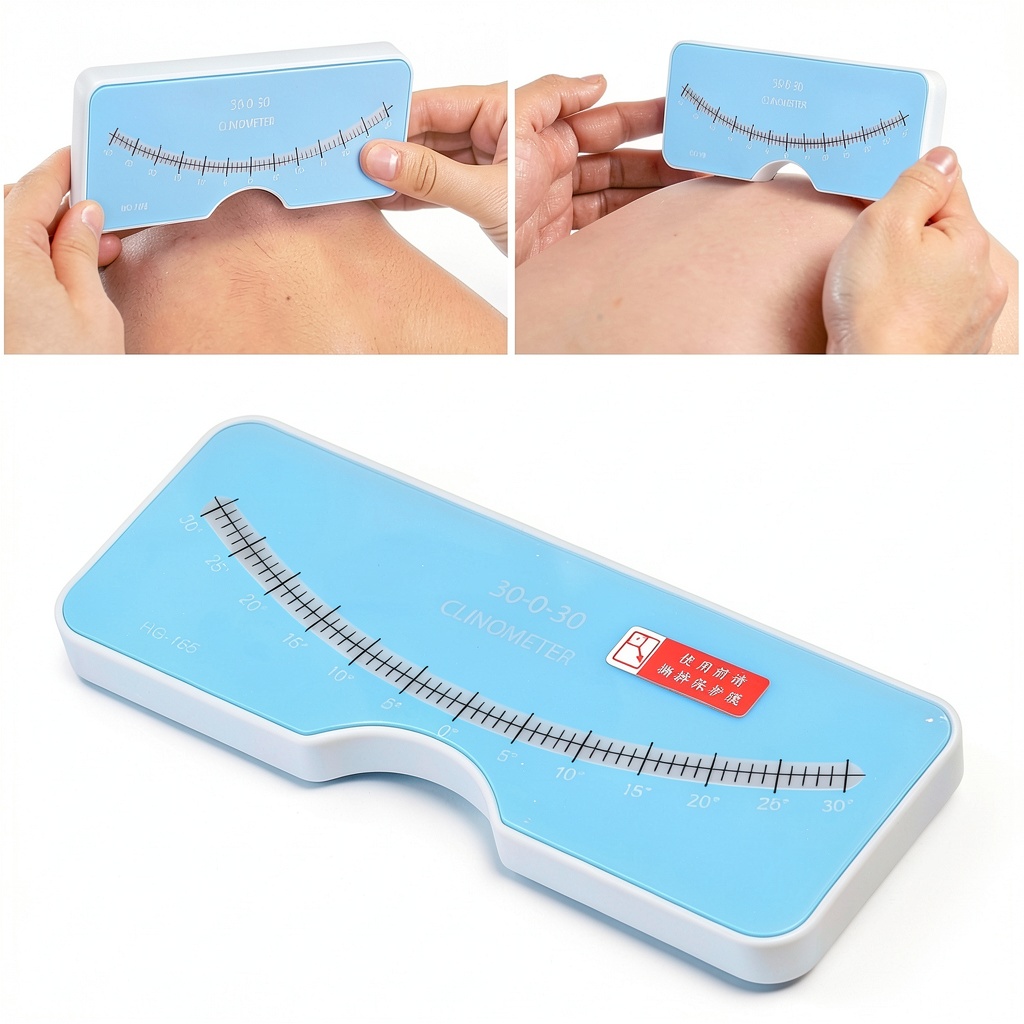
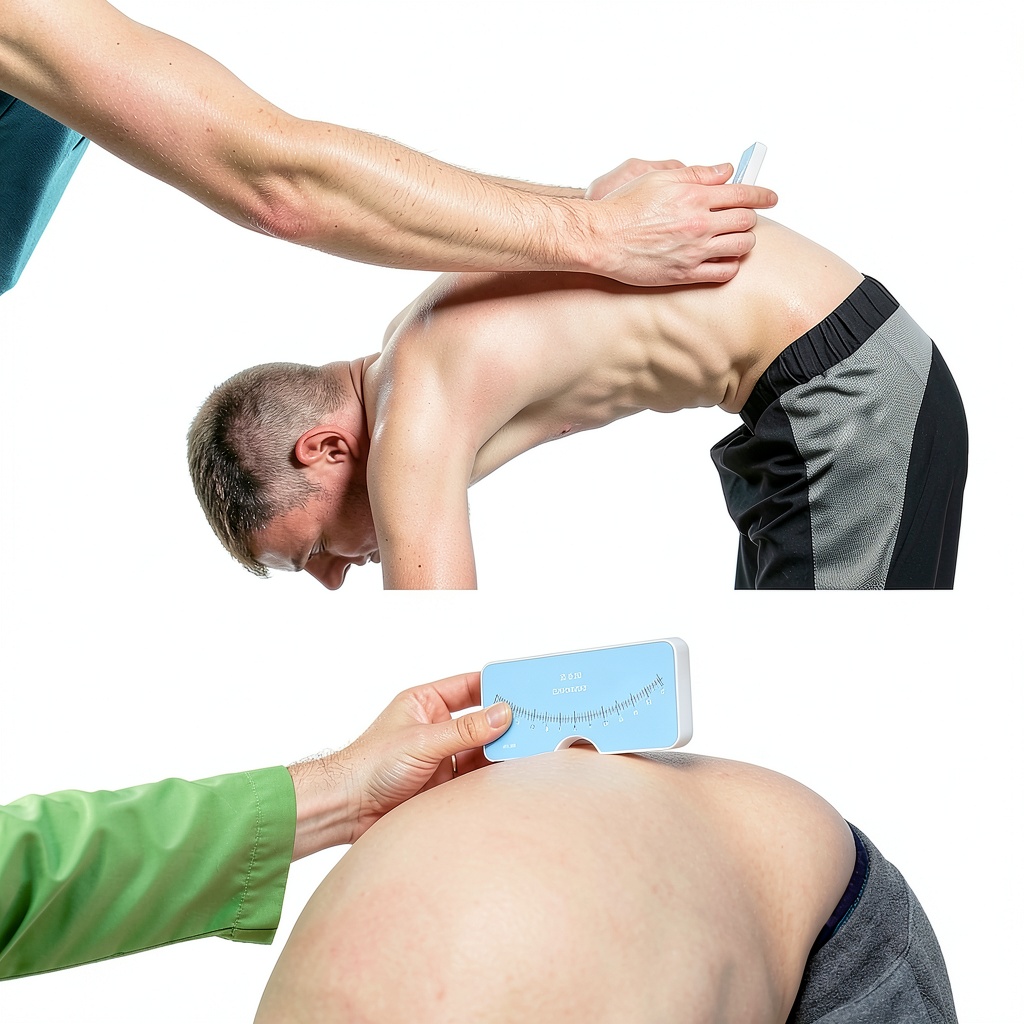
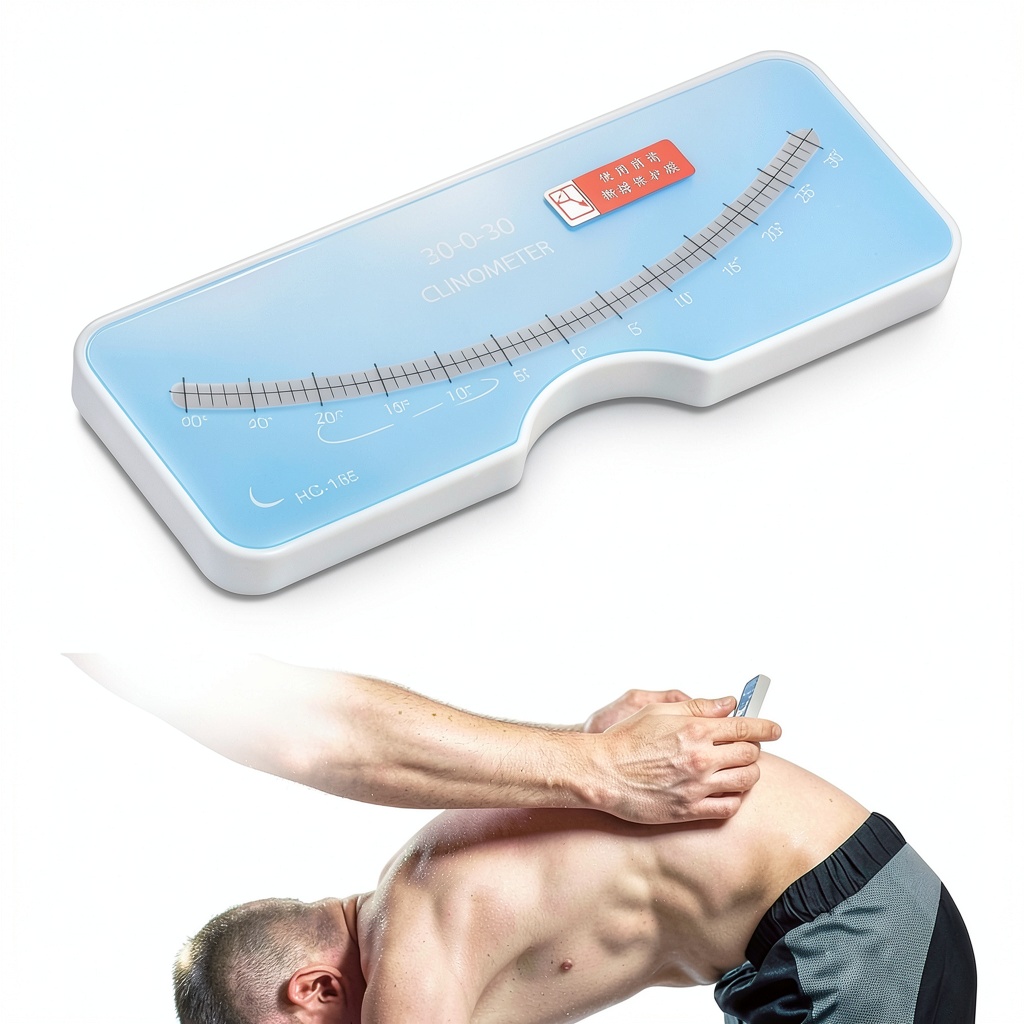
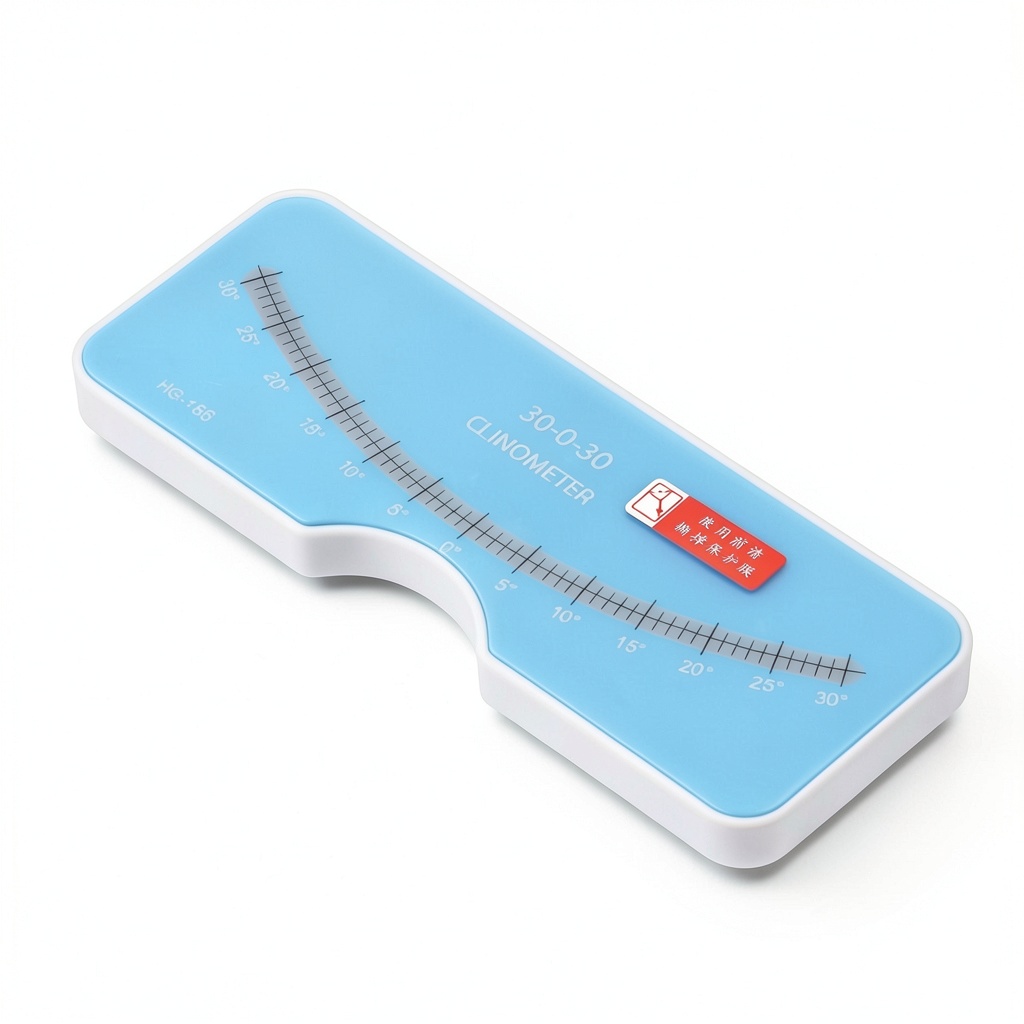
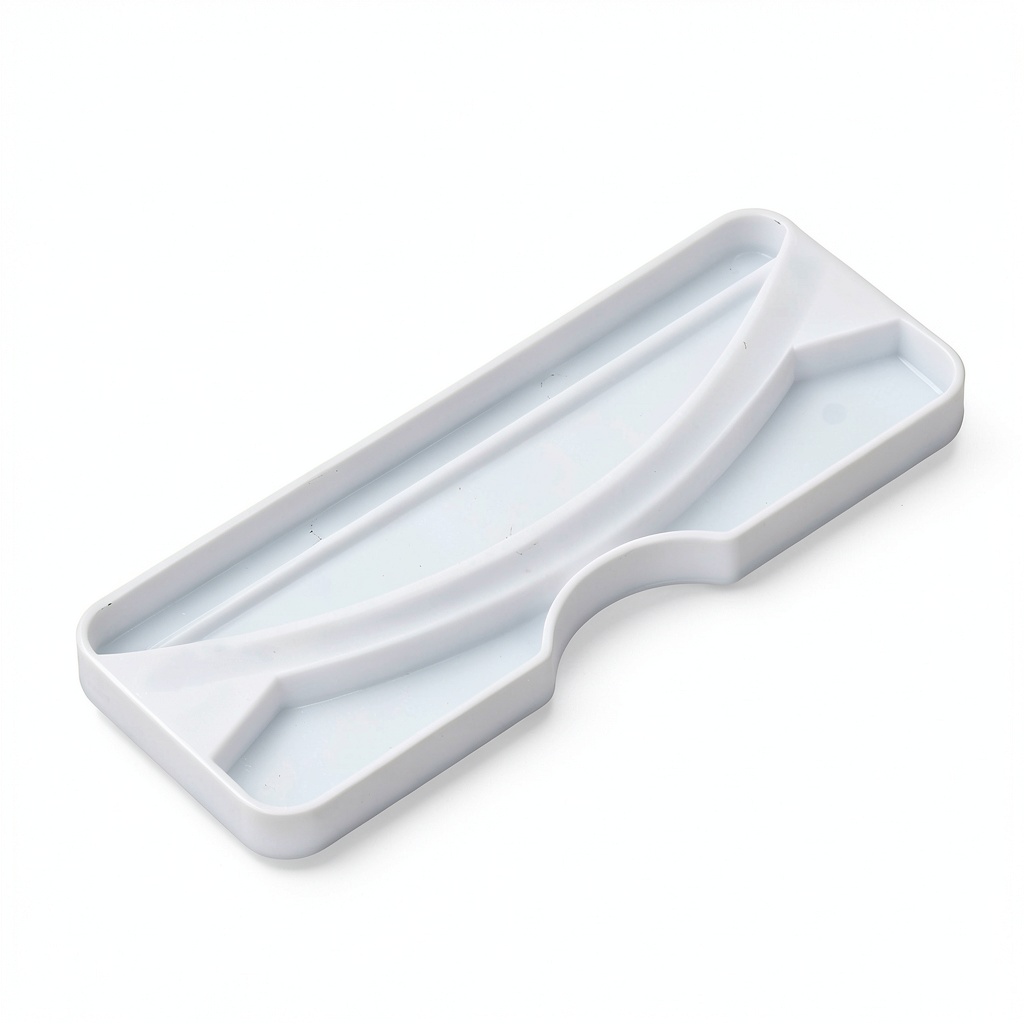
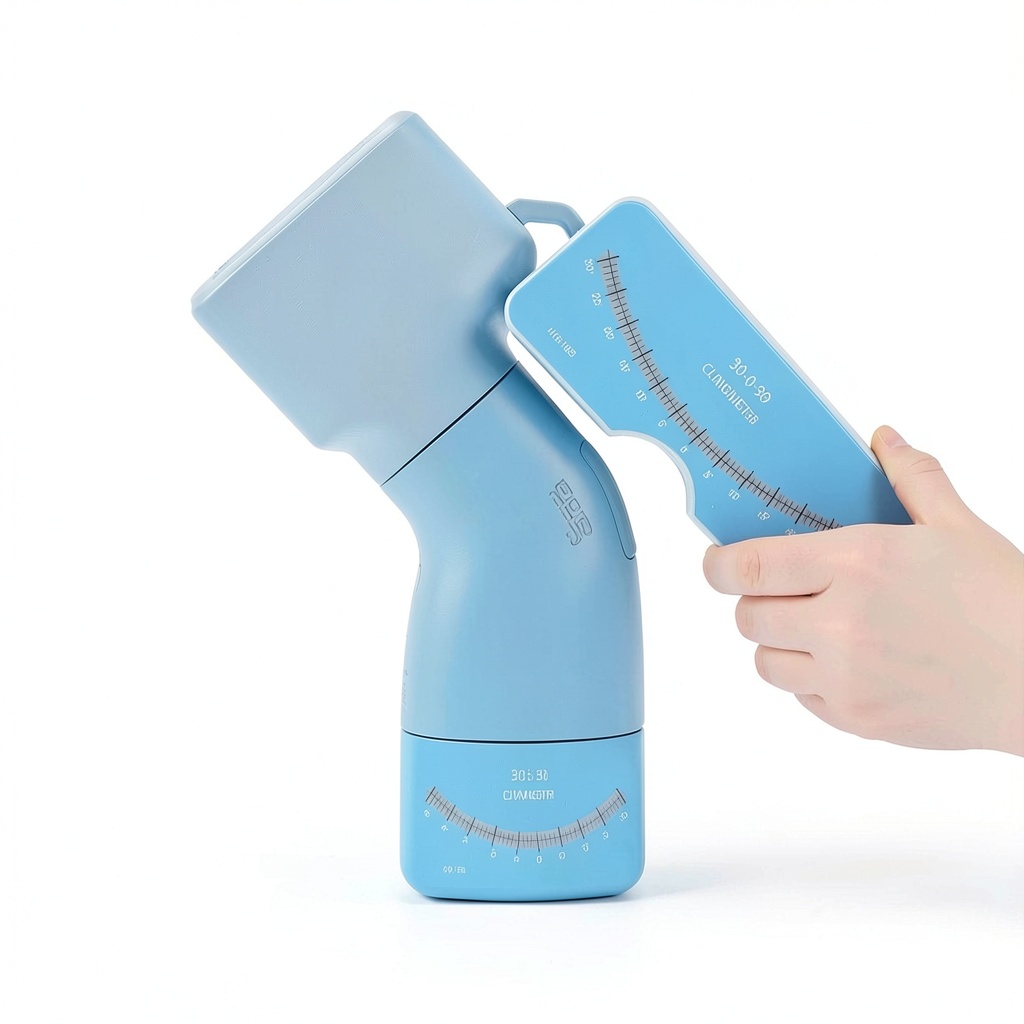
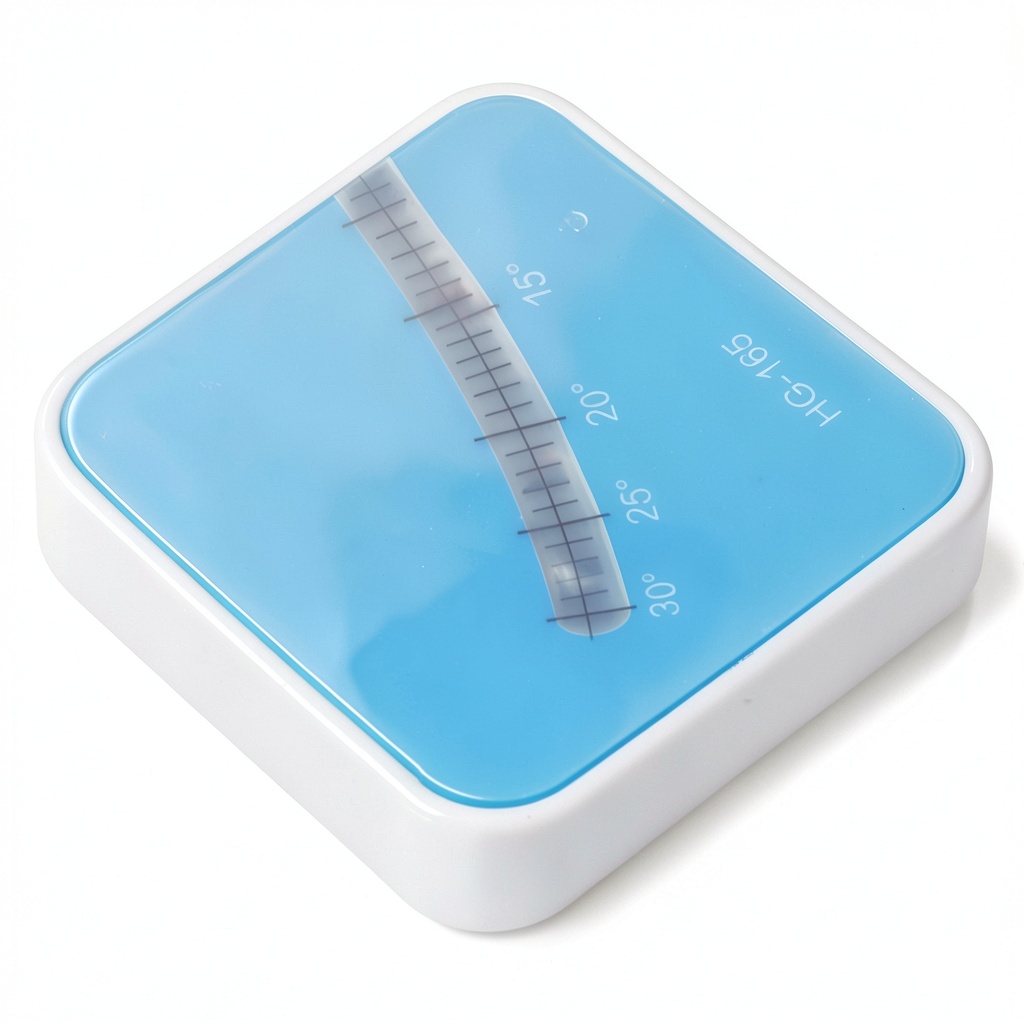
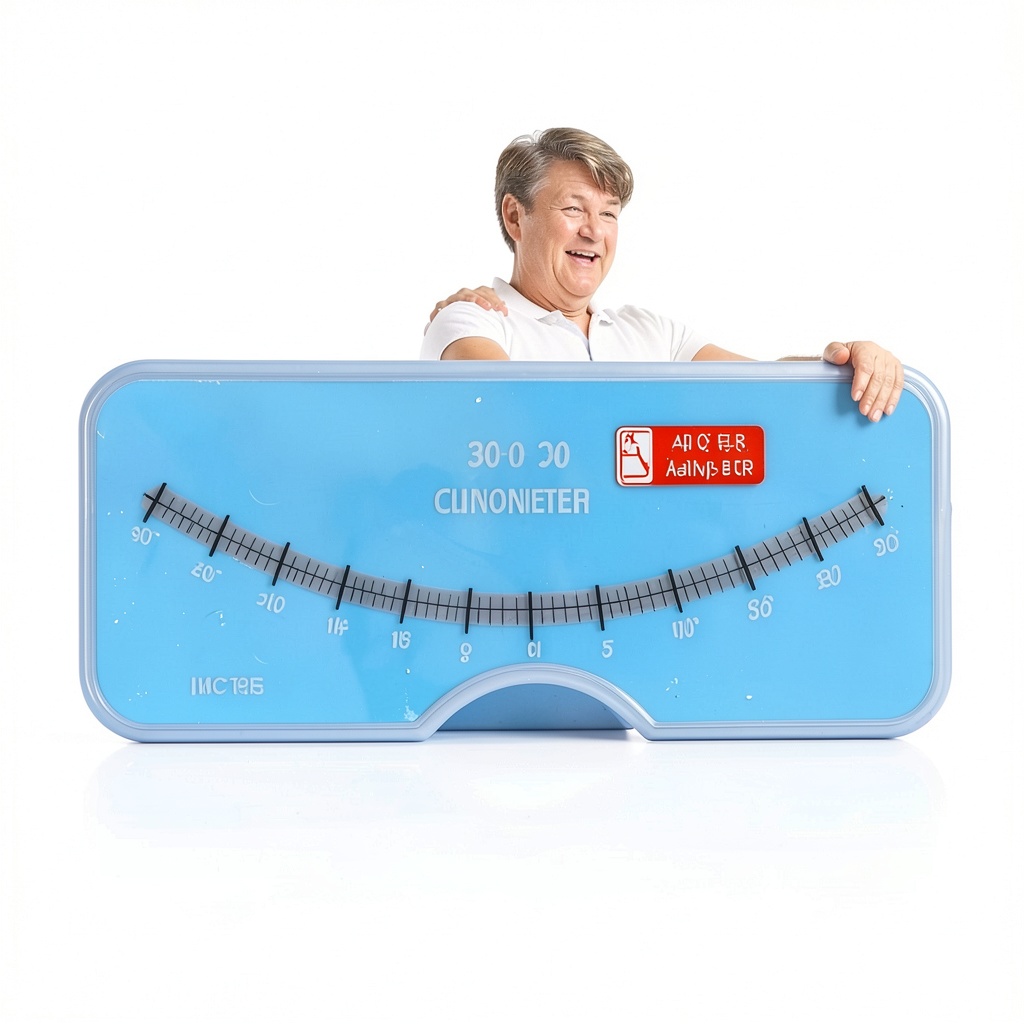
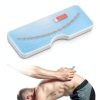
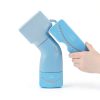
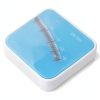
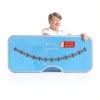
The Fafeicy Portable Scoliometer is engineered to meet the demanding requirements of modern clinical practice while remaining accessible for use in a variety of settings, from well‑equipped hospitals to community health centers and even home‑based evaluations. Constructed from high‑impact ABS plastic, the device combines durability with a lightweight feel, weighing just over two ounces and measuring less than an inch in thickness, which allows clinicians to carry it effortlessly in a pocket or a small case. The measurement scale is calibrated from zero to thirty degrees, providing a clear, graduated readout that can be interpreted at a glance without the need for additional software or electronic components. This analog design eliminates the risk of battery failure and reduces maintenance costs, while still delivering the precision required for accurate scoliosis screening. The tool is compatible with the standard forward bend test, a widely accepted clinical maneuver in which the patient bends forward at the waist, allowing the examiner to assess the degree of spinal rotation directly on the scoliometer’s arc. The clear, non‑glare markings are printed in high contrast, ensuring readability under various lighting conditions, and the ergonomic grip is molded to fit comfortably in the hand, reducing fatigue during repeated measurements. Dimensions of 6.3 × 2.2 × 0.94 inches make the device easy to store in a drawer or attach to a medical instrument tray, and the robust ABS construction resists cracks and scratches that can occur in busy clinical environments. Overall, the Fafeicy Portable Scoliometer delivers a blend of simplicity, reliability, and portability that aligns with the practical needs of orthopedic specialists, physiotherapists, and rehabilitation professionals. In addition to its core functionality, the scoliometer includes several practical design elements that enhance the user experience. The base of the instrument features a recessed notch that provides a stable reference point when the device is placed on a flat surface, preventing accidental rolling during measurement. The scale markings are etched rather than printed, which protects them from fading over time and ensures long‑term accuracy. A small, detachable protective cap shields the measuring arm when the tool is not in use, reducing the chance of accidental damage. The device complies with international medical device standards for safety and material biocompatibility, giving healthcare providers confidence that it will not cause irritation or adverse reactions when handled frequently. Its straightforward operation requires no calibration before each use, saving valuable time in busy clinical workflows. By eliminating the need for power sources or complex software interfaces, the scoliometer remains a cost‑effective solution that can be deployed across a wide range of budgets, from large hospital departments to small private practices.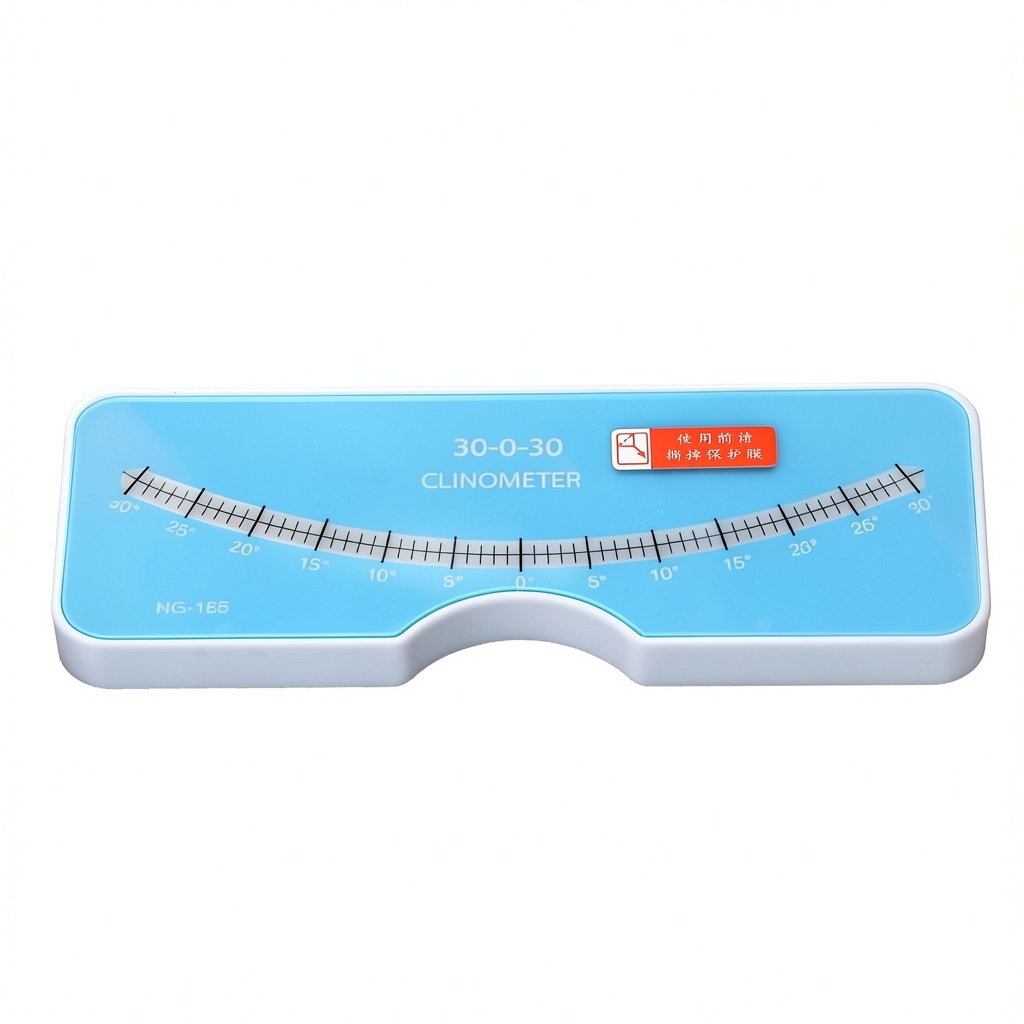
Usage
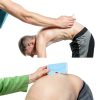
The portable scoliometer is designed for flexibility across multiple clinical and non‑clinical environments, making it a valuable asset for orthopedic surgeons, physiotherapists, school health programs, and sports medicine clinics alike. In a typical orthopedic office, the practitioner can integrate the device into routine scoliosis screening during annual physical examinations, quickly assessing spinal curvature while the patient performs the forward bend test on a standard examination table. Because the instrument is lightweight and does not rely on batteries, it can be easily carried to bedside assessments in inpatient wards, allowing physicians to monitor changes in curvature over the course of treatment without the need for bulky equipment. Rehabilitation centers benefit from the scoliometer’s immediate feedback capability; therapists can demonstrate progress to patients by showing a reduction in measured degrees after a series of targeted exercises, thereby increasing motivation and adherence to therapy protocols. In school settings, nurses and trained staff can conduct quick screenings for early detection of adolescent idiopathic scoliosis, identifying children who may require further evaluation by a specialist. The device’s simplicity also makes it suitable for home health visits, where caregivers can perform periodic checks under the guidance of a remote clinician via telehealth platforms, sharing the measured values verbally or through a simple photo of the scale. For sports teams, athletic trainers can use the scoliometer to evaluate athletes who experience back pain or postural concerns, ensuring that any abnormal curvature is addressed promptly to prevent injury. Across all these scenarios, the tool’s clear analog readout eliminates the learning curve associated with digital devices, enabling users of varying experience levels to obtain reliable measurements with minimal training. Its compact size allows it to be stored in a medical bag, a school nurse’s desk drawer, or a sports trainer’s equipment kit, ensuring that it is always within reach when a screening is needed. Because the scoliometer does not require calibration before each use, clinicians can perform multiple measurements in a single session without interruption, streamlining the workflow and reducing patient wait times. Its durability also means that it can withstand frequent disinfection with alcohol‑based wipes, an essential feature in environments where infection control is paramount. The device’s universal applicability across age groups—from young children whose spines are still developing to elderly patients with age‑related postural changes—makes it a versatile tool that supports comprehensive spinal health monitoring throughout the lifespan.
Why Choose Us
The Fafeicy brand has built its reputation on delivering reliable medical instruments that combine engineering precision with user‑centric design, and the Portable Scoliometer exemplifies this philosophy. Unlike many competing models that rely on electronic sensors or complex digital displays, this scoliometer embraces a proven analog mechanism that eliminates the risk of software glitches and ensures consistent performance over years of use. The ABS plastic housing is sourced from certified medical‑grade suppliers, guaranteeing that the material is free from harmful additives and can endure repeated cleaning cycles without degradation. Each unit undergoes a rigorous quality‑control process that includes calibration verification, impact testing, and visual inspection to confirm that the scale markings remain sharp and legible. The device is backed by a comprehensive warranty that covers manufacturing defects for twelve months, and Fafeicy’s dedicated customer support team is available to assist with any questions regarding operation, maintenance, or replacement parts. In addition, the scoliometer’s design incorporates feedback from practicing clinicians who emphasized the importance of a comfortable grip and a clear, non‑reflective scale, resulting in a tool that reduces hand fatigue and improves measurement accuracy during prolonged sessions. By offering a cost‑effective solution that does not compromise on durability or precision, the Portable Scoliometer enables healthcare providers to allocate resources toward other essential aspects of patient care while still maintaining high standards for scoliosis screening. The combination of material quality, thoughtful ergonomics, and reliable after‑sales service positions this instrument as a preferred choice for professionals seeking a trustworthy, low‑maintenance device for routine spinal assessments. Furthermore, the scoliometer’s compatibility with a range of clinical protocols makes it a versatile addition to any spinal health program. It can be seamlessly integrated into standardized assessment tools such as the Adam’s forward bend test, the Cobb angle estimation workflow, and even community health screening initiatives that aim to identify at‑risk individuals early. The instrument’s straightforward operation allows it to be used by trained technicians, nursing staff, or even qualified teachers after brief instruction, expanding the pool of personnel capable of conducting reliable measurements. This flexibility not only improves access to scoliosis screening in underserved areas but also supports longitudinal studies that track curvature progression over months or years, providing valuable data for research and treatment planning. By delivering consistent, reproducible readings across diverse environments, the Portable Scoliometer contributes to higher quality patient outcomes and more informed clinical decision‑making.
Key Features
- Lightweight ABS plastic construction makes the device easy to transport and store without sacrificing durability.
- Clear 0 to 30 degree analog scale provides instant, easy‑to‑read results for quick clinical decisions.
- Ergonomic grip reduces hand fatigue during repeated measurements, enhancing user comfort.
- Non‑reflective, etched markings stay legible after extensive cleaning and disinfection cycles.
- Comes with a 12‑month warranty and responsive customer support for peace of mind.
FAQ
What is a scoliometer and how does it work?
A scoliometer is a manual measuring instrument used to assess the angle of trunk rotation during a forward bend test. The clinician places the device across the patient’s back while the patient bends forward, and the scale indicates the degree of spinal curvature. This simple analog method provides a quick, reliable estimate of scoliosis severity without the need for radiographic imaging, making it ideal for routine screenings and monitoring treatment progress.
How accurate is the Portable Scoliometer for measuring spinal curvature?
The Portable Scoliometer offers accuracy within a clinically acceptable range for the 0‑30 degree measurement span. Its calibrated scale is etched to prevent wear, and the ABS plastic body ensures consistent positioning. When used correctly in conjunction with the forward bend test, the device reliably reflects changes in curvature, allowing clinicians to track progression or improvement over time with confidence comparable to more complex digital devices.
Can the device be used on children as well as adults?
Yes, the scoliometer is designed for both pediatric and adult patients. The measurement range of 0 to 30 degrees covers the typical curvature seen in adolescent idiopathic scoliosis as well as adult postural deformities. Its ergonomic shape fits comfortably on smaller backs while still providing a stable platform for larger patients, making it a versatile tool for a wide age spectrum.
What maintenance and cleaning procedures are recommended?
To maintain optimal performance, wipe the scoliometer with an alcohol‑based disinfectant after each use, ensuring the cleaning solution does not pool in the recessed notch. Avoid abrasive cleaners that could damage the etched markings. The detachable protective cap should be stored separately to prevent scratches. Periodically inspect the scale for wear; if markings become unclear, contact Fafeicy support for a replacement part under the warranty.
Reviews
There are no reviews yet.